Eating for HIIT: What to Eat Before and After High-Intensity Interval Training
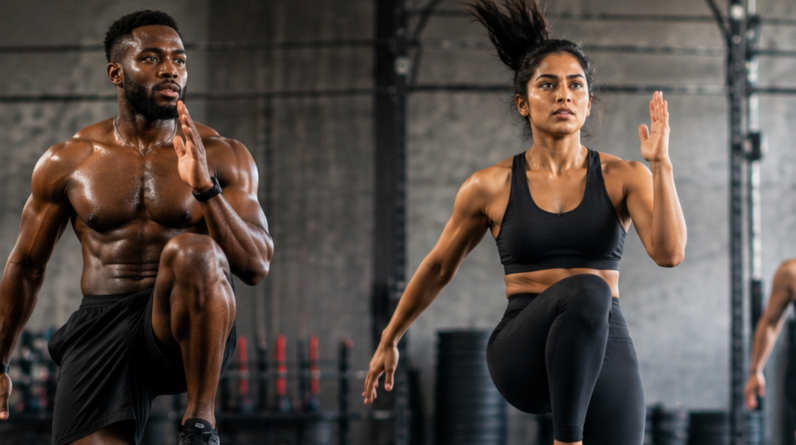
High-intensity interval training, better known as HIIT, has become one of the most popular workout formats for people short on time but not on effort. Short bursts of maximum-effort work, separated by brief recovery periods, pack a serious cardiovascular and metabolic punch into a fraction of the time a traditional workout might take.
That intensity, though, comes with a nutritional catch. HIIT places unique demands on your body compared to steady-state cardio or traditional strength training, and eating the wrong way around these sessions can leave you feeling depleted, lightheaded, or unable to perform at the intensity the format actually requires.
Why HIIT Has Different Nutritional Demands
Unlike moderate, steady-state cardio, HIIT relies heavily on your body’s fastest energy systems, particularly stored glycogen, to fuel repeated bursts of near-maximal effort. This makes carbohydrate availability especially important, more so than in lower-intensity forms of exercise.
HIIT sessions also tend to be short but demanding, which means there’s less room for error with pre-workout fueling. Show up underfueled, and you’ll likely notice it within the first few intervals, well before a similar mismatch would show up during a slower, longer run or bike ride.
Because of this, nutrition around HIIT deserves a bit more precision than a generic “eat healthy” approach.
What to Eat Before a HIIT Session
Timing
Ideally, eat a balanced meal with carbohydrates and protein about 2 to 3 hours before a HIIT session. If that timing isn’t practical, a smaller, easily digestible snack 30 to 60 minutes beforehand can help top off energy without leaving you feeling weighed down.
Best Pre-HIIT Choices
Because HIIT is short and intense, meals or snacks that are moderate in carbohydrates, light in fat and fiber, and modest in protein tend to sit best. Good options include:
- A banana with a small handful of nuts
- Oatmeal with berries
- Toast with a thin spread of nut butter
- A small smoothie with fruit and a scoop of protein
Avoid large, heavy, or high-fat meals right before training. HIIT’s rapid, high-impact movements don’t pair well with a full stomach, and slow-digesting meals can lead to cramping or nausea mid-workout.
What to Skip
Training on a completely empty stomach is generally not ideal for HIIT, given how heavily the format relies on readily available glycogen. Unlike a gentle walk or easy yoga session, HIIT’s demands make adequate pre-workout fuel considerably more important.
Fueling During a HIIT Workout
For most HIIT sessions, which typically run 20 to 45 minutes, additional fueling during the workout usually isn’t necessary. Your pre-workout meal or snack, combined with existing glycogen stores, is generally sufficient to sustain the session.
Hydration, however, matters throughout. HIIT tends to produce significant sweat loss in a short period due to its intensity, so sipping water before and, if needed, briefly between intervals helps maintain performance and reduce the risk of cramping.
What to Eat After a HIIT Session
The Recovery Priority
HIIT places considerable stress on both your muscles and your energy systems, meaning post-workout nutrition plays a meaningful role in how well and how quickly you recover for your next session.
Eating a combination of protein and carbohydrates within roughly 30 to 60 minutes after finishing supports muscle repair and glycogen replenishment more effectively than delaying your next meal significantly.
Ideal Post-HIIT Foods
Good post-workout choices balance protein for muscle repair with carbohydrates to restore depleted energy stores:
- Greek yogurt with fruit and a drizzle of honey
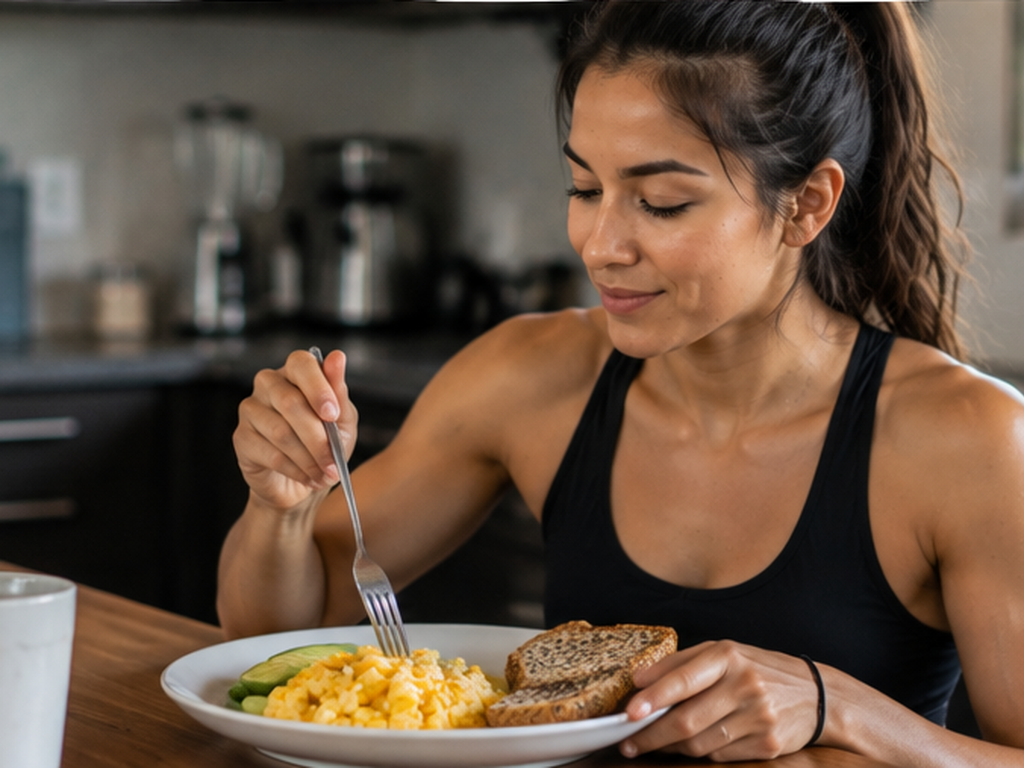
- Eggs with whole-grain toast
- A protein smoothie with banana and spinach
- Grilled chicken with rice and roasted vegetables
- Cottage cheese with pineapple
Why Skipping This Meal Backfires
Some people, particularly those using HIIT specifically for fat loss, are tempted to skip eating afterward to maximize a calorie deficit. This tends to be counterproductive. Inadequate post-workout nutrition slows recovery, increases fatigue heading into your next session, and can undermine the very consistency that makes HIIT effective for fat loss in the first place.
Hydration Considerations Specific to HIIT
Because HIIT sessions are short but intense, sweat loss can be substantial relative to the total workout time. A few practical hydration habits help:
- Drink water consistently in the hours leading up to your session, not just immediately beforehand
- Rehydrate promptly after finishing, paying attention to both water and electrolytes, particularly after longer or especially sweaty sessions
- Pay closer attention to hydration during HIIT performed in hot environments or without air conditioning, where sweat losses increase significantly
How HIIT Nutrition Fits Into Fat Loss Goals
HIIT is a popular choice for people pursuing fat loss, thanks to its efficiency and the elevated calorie burn that can continue for a period after the workout ends. That said, nutrition still plays the larger role in determining fat loss outcomes.
A few principles are worth keeping in mind when combining HIIT with a fat loss goal:
Don’t drastically underfuel around workouts. A moderate overall calorie deficit supports fat loss without leaving you too depleted to perform HIIT effectively, which matters both for results and for your ability to stay consistent.
Prioritize protein throughout the day. Adequate protein helps preserve muscle mass during a calorie deficit, which supports both performance and body composition.
Don’t rely on “earned” calories from a single workout. HIIT’s calorie burn is meaningful but often overestimated. Building sustainable eating habits matters more for fat loss than trying to eat back exactly what a single session burned.
Common HIIT Nutrition Mistakes
A few recurring habits tend to undercut people’s HIIT results:
Training on an empty stomach out of habit. While this works for some people on easier workouts, HIIT’s intensity generally benefits from at least a small amount of pre-workout fuel.
Overcomplicating supplementation. Pre-workout supplements and intra-workout drinks can offer modest benefits for some people, but they’re not a substitute for consistent, adequate meals around training.
Neglecting recovery nutrition on rest days. Nutrition needs don’t disappear on non-training days. Consistent protein and balanced eating support recovery even when you’re not actively training.
Chronic underfueling in pursuit of fat loss. This is one of the most common and most counterproductive patterns, often leading to poor performance, increased fatigue, and eventually, reduced consistency with training altogether.
Bringing It All Together
HIIT delivers a lot of intensity in a short amount of time, which means your nutrition needs to be dialed in accordingly. A reasonably fueled pre-workout meal, consistent hydration, and a balanced post-workout meal with protein and carbohydrates give your body what it needs to perform well and recover fully between sessions.
None of this requires complicated meal plans or precise timing down to the minute. It requires paying attention to the basics: eating enough, prioritizing protein, and not skipping meals around your workouts in an effort to accelerate results. Done consistently, this approach supports both better performance in the moment and more sustainable progress over time.