Eating for Longevity: How an Anti-Inflammatory Diet Transforms Overall Health
While nutrition conversations often revolve around physical aesthetics and scale weight, the most profound impact of food lies deeper within our cellular biology. Modern medical research increasingly points to a single common denominator underlying many chronic health challenges: low-grade chronic inflammation.
Inflammation in itself is not inherently bad. Acute inflammation is a vital immune response that helps your body heal from injuries, cuts, and short-term infections. However, when poor dietary choices, chronic stress, and environmental toxins keep your immune system activated indefinitely, acute healing turns into systemic wear and tear.
Adopting an anti-inflammatory eating pattern is one of the most effective lifestyle interventions available to lower oxidative stress, support cardiovascular function, enhance gut health, and safeguard your long-term vitality.

Understanding Dietary Drivers of Chronic Inflammation
The modern food environment is heavily saturated with ultra-processed ingredients that trigger inflammatory signaling pathways in the body. Frequent consumption of ultra-processed foods can alter your gut microbiome, impair cell membrane function, and spike inflammatory markers like C-reactive protein (CRP) and Interleukin-6 (IL-6).
Primary Pro-Inflammatory Triggers to Minimize:
- Refined Sugars and High-Fructose Corn Syrup: Spikes blood glucose and insulin levels, generating free radicals that damage vascular tissue.
- Industrial Seed Oils High in Omega-6: Excessive consumption of refined soybean, corn, and cottonseed oils disrupt the delicate balance between omega-3 and omega-6 fatty acids.
- Refined Carbohydrates: White bread, pastries, and processed snacks rapidly break down into glucose, fueling metabolic dysfunction.
- Trans Fats and Artificial Additives: Partially hydrogenated oils disrupt cellular lining integrity and promote arterial plaque formation.
Core Pillars of an Anti-Inflammatory Eating Pattern
An anti-inflammatory diet is not a rigid calorie-counting regimen; it is a holistic, whole-food dietary template rich in antioxidants, healthy fats, and prebiotic fiber.
Anti-Inflammatory Pyramid Hierarchy:
- Polyphenol-Rich Treats (Top): Dark chocolate, green tea, turmeric.
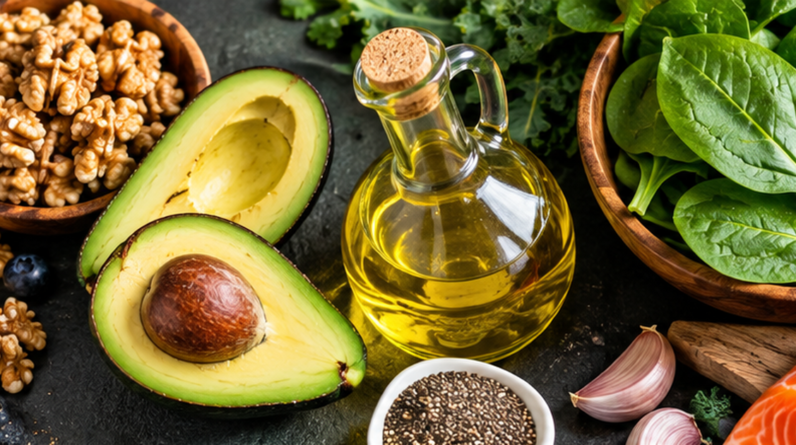
- Healthy Fats: Extra virgin olive oil, avocados, nuts, chia seeds.
- Omega-3 Fatty Acids: Wild salmon, sardines, mackerel.
- Colorful Plants (Base): Dark leafy greens, berries, cruciferous vegetables.
1. Polyphenol-Rich Fruits and Vegetables
Phytochemicals and polyphenols give fruits and vegetables their vibrant pigments. These natural compounds act as powerful antioxidants that neutralize free radicals before they damage cellular membranes.
- Dark Berries: Blueberries, blackberries, and raspberries contain anthocyanins that protect brain and cardiovascular health.
- Cruciferous Vegetables: Broccoli, Brussels sprouts, kale, and cabbage contain sulforaphane, a potent compound that activates internal antioxidant defense pathways.
2. Healthy Omega-3 Fats Over Refined Oils
Omega-3 fatty acids serve as the precursors to anti-inflammatory signaling molecules called resolvins and protectins.
- Fatty Fish: Wild-caught salmon, mackerel, sardines, and anchovies supply preformed EPA and DHA.
- Plant Sources: Flaxseeds, chia seeds, and walnuts provide alpha-linolenic acid (ALA).
- Extra Virgin Olive Oil: Cold-pressed olive oil contains oleocanthal, a natural compound that inhibits inflammatory enzymes in a manner similar to low-dose ibuprofen.
Comparing Dietary Patterns on Health Markers
Shift your dietary framework toward whole, minimally processed ingredients yields noticeable physiological changes across key health metrics:
| Health Indicator | Ultra-Processed Western Diet | Anti-Inflammatory Whole-Food Diet |
|---|---|---|
| Systemic Inflammation (CRP) | Elevated | Significantly Lowered |
| Gut Microbiome Diversity | Low (Promotes Dysbiosis) | High (Feeds Beneficial Microbes) |
| Blood Sugar Stability | Frequent Glucose Spikes | Smooth, Balanced Energy |
| Joint & Muscle Recovery | Stiff, Slow Recovery | Fast Repair, Reduced Soreness |
| Cardiovascular Profile | High Triglycerides / Oxidized LDL | Optimal Lipid Ratios / Elastic Arteries |
Supporting Your Gut Microbiome
Nearly 70% of your immune system resides within your gastrointestinal tract. A healthy gut lining acts as a selective barrier, allowing beneficial nutrients to enter your bloodstream while keeping undigested food particles and pathogens out.
An anti-inflammatory diet nurtures beneficial gut bacteria through prebiotic fiber (found in garlic, onions, asparagus, oats, and legumes) and fermented foods (such as kimchi, sauerkraut, kefir, and plain yogurt). When gut microbes ferment dietary fiber, they produce short-chain fatty acids like butyrate, which directly nourish the intestinal wall and lower systemic inflammation.
Simple Daily Shifts for Long-Term Health
Adopting this lifestyle does not require a complete overnight overhaul. Focus on small, sustainable food additions:
- Swap Your Cooking Oil: Replace corn or vegetable oil with extra virgin olive oil for low-heat cooking and salad dressings, or avocado oil for higher-heat cooking.
- Build Colorful Meals: Aim for at least three distinct colors of plant foods on your plate at lunch and dinner.
- Incorporate Herbal Teas: Replace sugary afternoon beverages with brewed green tea or turmeric-ginger tea to boost daily polyphenol intake.