The Hydration Strategy: How Zero-Calorie Beverages Accelerate Weight Loss and Metabolic Health
When individuals embark on a structured weight loss journey, their primary focus almost always revolves around solid food choices. People meticulously track their intake of lean proteins, calculate complex carbohydrate portions, and limit dietary fats. However, one of the most significant yet frequently overlooked drivers of weight loss success—or failure—is liquid intake.
Beverages play a profound role in daily energy balance, metabolic speed, and hunger management. Liquid calories from sugary sodas, commercial fruit juices, sweetened coffees, and alcoholic drinks represent “stealth calories.” Because liquid carbohydrates and fats do not require mechanical breakdown by the digestive system, they bypass primary satiety mechanisms, leading to rapid energy intake without reducing appetite.
By replacing calorie-dense beverages with intelligent, zero-calorie hydration options, you eliminate hundreds of unnecessary calories daily while actively supporting your body’s fat oxidation pathways.
The Physiology of Liquid Calories vs. Solid Satiety
To understand why zero-calorie drinks are pivotal for body composition changes, it helps to analyze how your digestive system processes liquid versus solid energy.
When you consume a 300-calorie solid meal consisting of chicken breast, broccoli, and rice, your body undergoes several mechanical and hormonal processes:
- Mechanical Mastication: Chewing signals the brain to prepare for incoming nutrient digestion.
- Gastric Distension: Solid food expands the stomach, physically stretching gastric walls and triggering vagal nerve signals.
- Gut Hormone Secretion: Peptide YY (PYY) and Cholecystokinin (CCK) are released to signal fullness to the hypothalamus.
In contrast, drinking a 300-calorie sweetened beverage bypasses chewing entirely and empties rapidly from the stomach. This rapid gastric emptying causes a sharp spike in blood glucose and insulin without releasing equivalent amounts of satiety hormones. Consequently, you absorb 300 calories while remaining just as hungry as before consuming the beverage.
Dehydration vs. Real Hunger: The Hypothalamic Overlap
A common barrier to maintaining a consistent caloric deficit is mistaking dehydration signals for hunger cues.
The regulation centers for thirst and hunger reside within the same region of the brain: the hypothalamus. When cellular hydration drops even by 1% to 2%, the hypothalamus sends signals to prompt fluid consumption. However, these signals frequently manifest as vague lethargy, mild brain fog, or generalized stomach emptiness—symptoms that individuals regularly misinterpret as a need for food.
Prioritizing pre-emptive hydration ensures that when you experience hunger, it is a genuine physiological requirement for nutrients rather than a hidden signal for water.
Core Categories of Functional Zero-Calorie Drinks
Not all zero-calorie drinks serve the same physiological purpose. Structuring your daily hydration around functional categories helps optimize energy, manage appetite, and enhance metabolic output.
1. Infused Water and Electrolyte Solutions
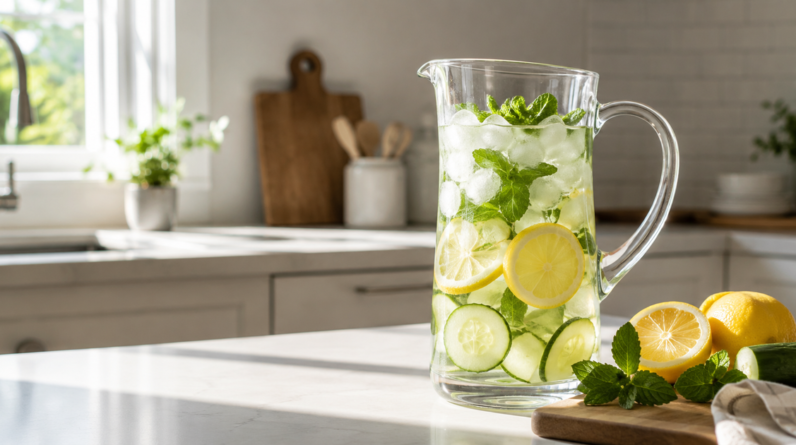
Plain water is essential, but for individuals transitioning away from flavorful commercial drinks, mineral-rich infused waters provide continuous flavor without synthetic additives. Adding pinch amounts of unrefined sea salt, magnesium citrate, and fresh citrus slices provides crucial electrolytes (sodium, potassium, magnesium) that support cellular hydration and keep resting metabolic functions efficient.
2. Green and Black Tea (Catechin-Rich Hydration)
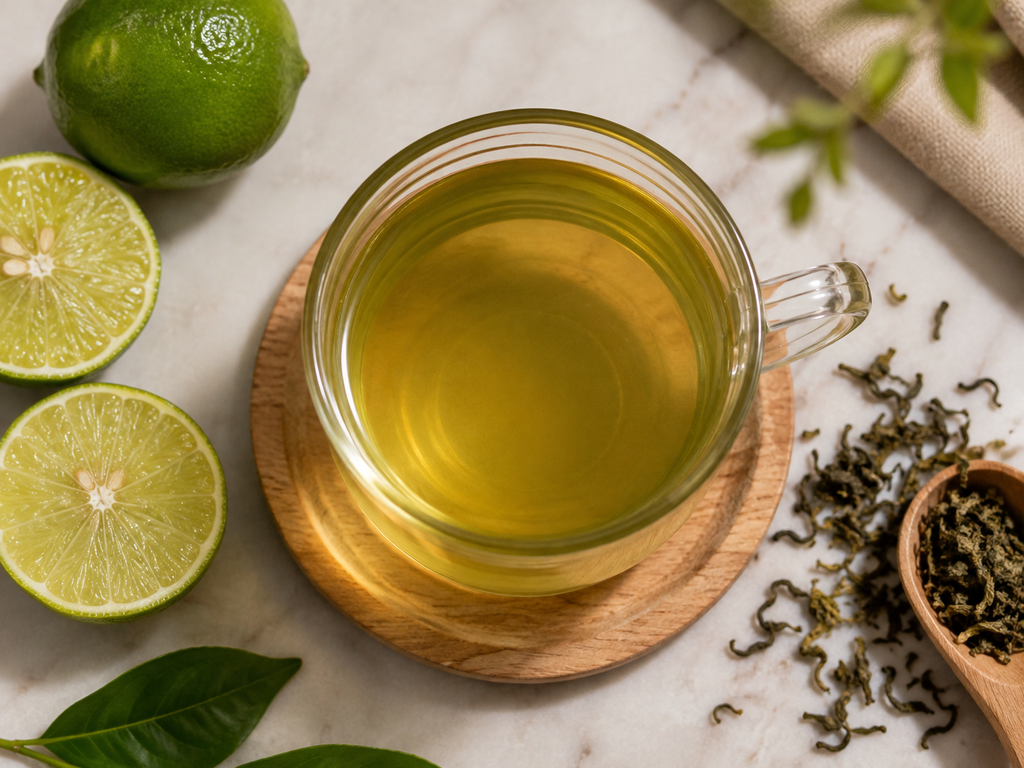
Unsweetened green tea is one of the most thoroughly researched functional weight loss drinks. Green tea contains high levels of Epigallocatechin Gallate (EGCG), a potent antioxidant catechin that works synergistically with natural caffeine to inhibit the enzyme catechol-O-methyltransferase (COMT). By inhibiting this enzyme, green tea prolongs norepinephrine signaling, stimulating lipolysis (the breakdown of stored body fat into usable fatty acids).
3. Black Coffee (Thermogenic Support)
Black coffee consumed without added sugars, heavy creams, or flavored syrups serves as a powerful natural thermogenic agent. Caffeine stimulates the central nervous system, increasing resting metabolic rate (RMR) by 3% to 11% for several hours post-consumption. Additionally, coffee polyphenols act as prebiotics in the lower GI tract, supporting a gut microbiome environment associated with lean body mass.
Comparing Zero-Calorie Beverage Options
Evaluating your beverage options ensures you choose drinks that align with your specific dietary goals:
- Pure Spring Water
- Primary Benefit: Essential cellular hydration
- Metabolic Impact: Neutral / Baseline
- Ideal Timing: All day, upon waking
- Green Tea (EGCG)
- Primary Benefit: Thermogenic fat oxidation & antioxidants
- Metabolic Impact: Moderate boost (via COMT inhibition)
- Ideal Timing: Mid-morning & pre-workout
- Black Coffee
- Primary Benefit: Central nervous system drive & appetite suppression
- Metabolic Impact: Elevated resting metabolic rate
- Ideal Timing: Early morning & pre-exercise
- Electrolyte Infused Water
- Primary Benefit: Cellular fluid balance & muscle cramping reduction
- Metabolic Impact: Supports baseline physiological efficiency
- Ideal Timing: During workouts & prolonged fasting windows
Actionable Rules for Beverage Integration
To maximize fat loss while keeping hydration simple, apply these core guidelines:
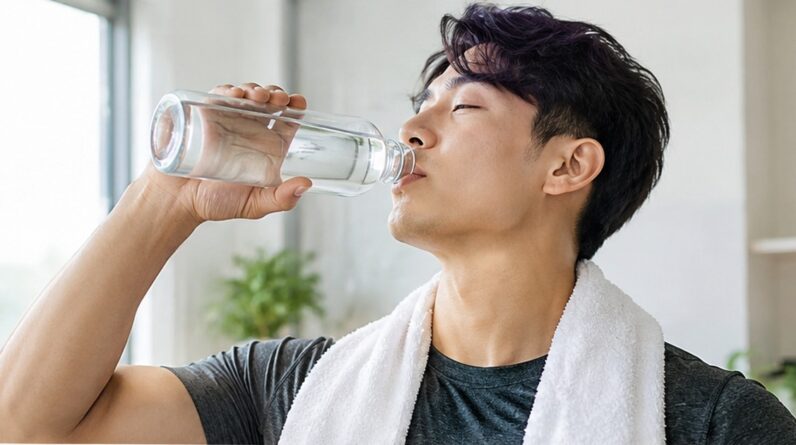
- The Wake-Up Hydration Protocol: Drink 16 to 20 ounces of cold water with a squeeze of fresh lemon juice immediately upon waking to offset nocturnal fluid loss and kickstart metabolic function.
- Pre-Meal Volume Loading: Consume 16 ounces of zero-calorie fluid (water or herbal tea) 15 to 20 minutes before every major meal. Studies show this simple habit decreases calorie intake during the meal by 12% to 15%.
- Establish a Caffeine Cutoff Time: Avoid caffeine-containing drinks (coffee, green tea, energy drinks) at least 6 to 8 hours before sleep. Poor sleep quality disruptively raises cortisol and ghrelin levels, reversing the metabolic benefits of zero-calorie drinks.
- Beware of Artificial Sweetener Dependency: While non-nutritive sweeteners contain zero calories, overconsuming ultra-sweet diet drinks can maintain cravings for hyper-palatable sweet foods. Balance diet sodas with natural unsweetened options like herbal teas and mineral waters.