The Science of Meal Design: Building High-Satiety Meals for Sustainable Weight Loss
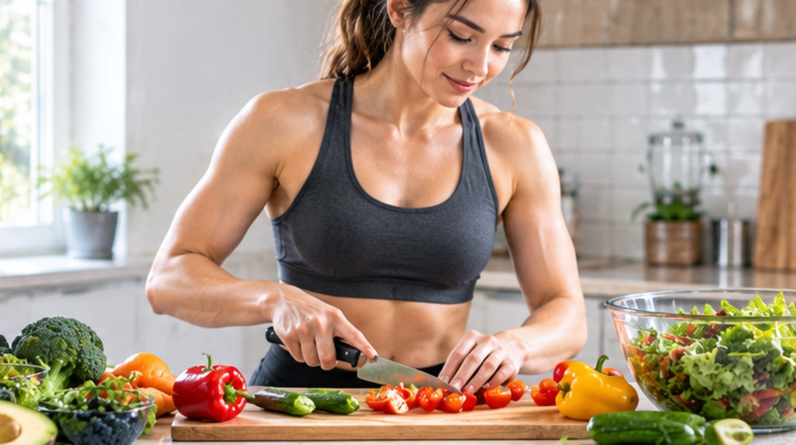
When it comes to achieving and maintaining a healthy body composition, meal execution is where most diet plans either succeed or fail. While understanding daily calorie targets and macronutrient ratios is important on paper, your actual success depends entirely on what lands on your plate during busy weekdays.
Relying on daily willpower or last-minute dining decisions frequently leads to calorie overconsumption, hidden fats, and poor nutrient density.
By mastering the mechanics of diet-focused meal design and establishing a streamlined meal prep routine, you take complete control of your energy intake, eliminate decision fatigue, and ensure that every meal directly supports your fat loss and health goals.
The High-Satiety Meal Template
Not all calories affect your physiology in the same way. A 500-calorie meal composed of refined carbohydrates and ultra-processed fats leaves you hungry within two hours, whereas a 500-calorie meal structured around lean protein, dietary fiber, and healthy fats keeps you full and energized for hours.
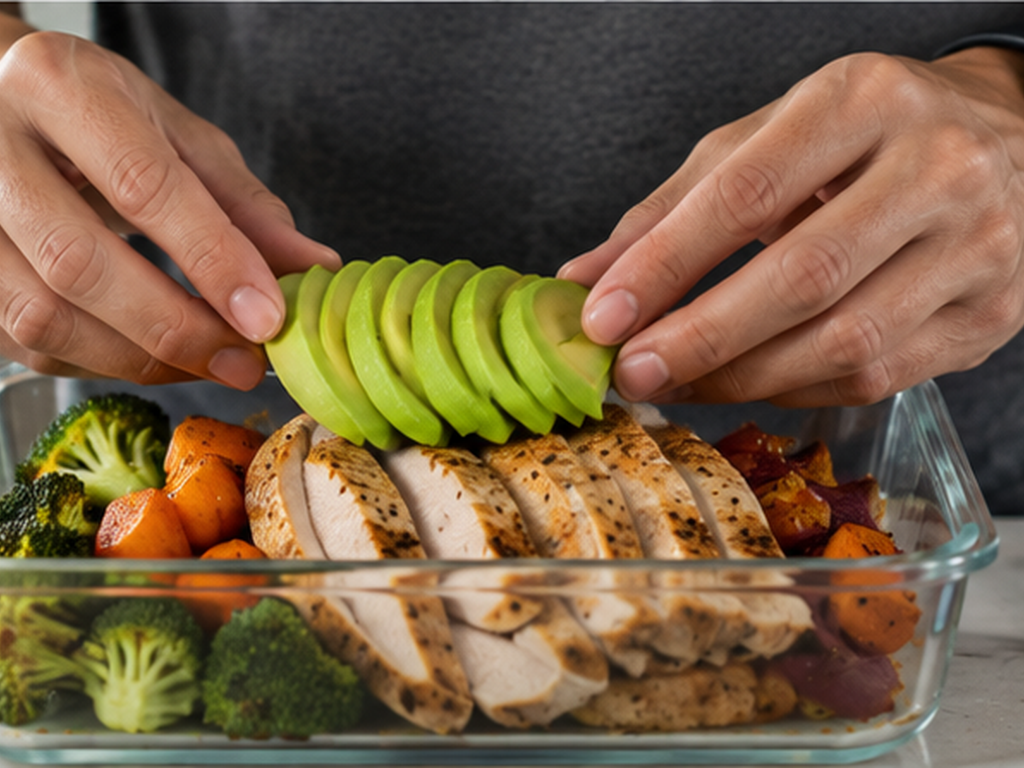
To design meals optimized for fat loss and metabolic health, build every main meal using the Four-Pillar Plate Framework:
- 50% OF PLATE: Cruciferous & Leafy Vegetables (Fiber & Volume)
- 25% OF PLATE: Lean Protein Source (Satiety & Muscle Preservation)
- 25% OF PLATE: Complex Carbohydrates (Sustained Energy)
- TOPPING: Essential Healthy Fats (Hormone Support & Micronutrients)
1. Lean Protein (Anchor Ingredient)
Protein is the most crucial component of a weight-loss meal due to its high thermic effect and appetite-suppressing qualities.
- Target Portion: 1 to 2 palm-sized servings (30g – 45g of protein).
- Top Choices: Chicken breast, turkey, sirloin, white fish, salmon, tofu, eggs, and Greek yogurt.
2. Fibrous Vegetables (Volume)
Vegetables provide physical volume that expands in the stomach, stretching stomach walls to signal fullness to the brain via vagal nerve pathways, all while adding minimal calories.
- Target Portion: 2 fists full.
- Top Choices: Broccoli, spinach, zucchini, cauliflower, bell peppers, and asparagus.
3. Complex Carbohydrates (Energy Management)
Complex, slow-digesting carbohydrates restock liver and muscle glycogen without driving drastic insulin spikes.
- Target Portion: 1 cupped hand.
- Top Choices: Sweet potatoes, brown rice, quinoa, oats, and lentils.
4. Essential Fats (Hormone & Nutrient Support)
Healthy fats are necessary for absorbing fat-soluble vitamins (A, D, E, K) and maintaining hormone production, but because they contain 9 calories per gram, portions must be kept precise.
- Target Portion: 1 thumb-sized serving.
- Top Choices: Extra virgin olive oil, avocado, almonds, walnuts, and chia seeds.
Batch Prepping vs. Individual Meal Prepping
Many people abandon meal prepping because they believe it requires spending six hours every Sunday cooking full, identical meals into plastic containers for the entire week. Eating the exact same dish five days in a row quickly leads to diet monotony.
A far more sustainable approach is Batch Component Prepping. Instead of assembling finished recipes, cook large batches of core single-ingredient components that can be quickly mixed and matched throughout the week.
Comparison of Prep Methods:
- Traditional Meal Prep: Full recipes cooked complete | Low variety | 4-5 hours in one block | Stale by day 5
- Batch Component Prepping: Individual components cooked separately | High variety | 1.5-2 hours twice a week | Higher freshness
A Practical 3-Step Meal Prep Workflow
Streamline your weekly meal prep using this simple, efficient process:
Step 1: Cook Proteins in Bulk (30 Minutes)
Sheet-pan roasting or air-frying is the fastest way to prepare bulk protein. Season 2 to 3 pounds of lean protein (such as diced chicken breast or turkey patties) with simple herbs, garlic, salt, and pepper, and cook them all at once.
Step 2: Roast High-Volume Veggies Simultaneously
Utilize a second oven rack to roast large trays of chopped vegetables (broccoli, zucchini, and bell peppers) lightly tossed in olive oil spray. Roasting removes moisture, concentrating flavor and keeping vegetables fresh longer in storage.
Step 3: Prepare Slow-Digesting Starches
While your protein and vegetables are in the oven, use a rice cooker or stovetop pot to simmer a batch of quinoa, wild rice, or boiled sweet potatoes.
Overcoming Common Diet Meal Pitfalls
- Watch Hidden Cooking Oils: Pouring unmeasured liquid oil into cooking pans can accidentally add 200–300 uncounted calories to an otherwise clean meal. Use measured tablespoons or oil sprays to keep calorie counts accurate.
- Utilize Calorie-Free Flavor Enhancers: Avoid heavy, sugar-laden commercial sauces. Enhance meal flavors using hot sauces, fresh herbs, mustard, lemon juice, vinegars, and aromatic spices like cumin, smoked paprika, and turmeric.
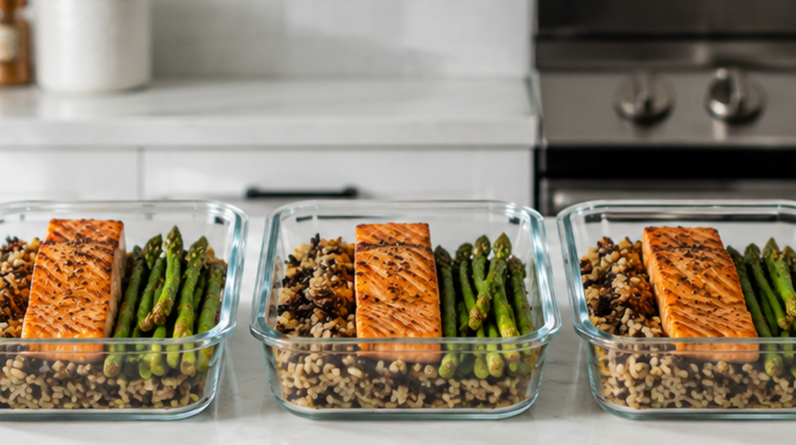
- Store Correctly for Maximum Freshness: Store prepped meals in airtight glass containers. Keep 3 days of meals in the refrigerator and freeze the remaining portions to preserve flavor and nutritional quality.