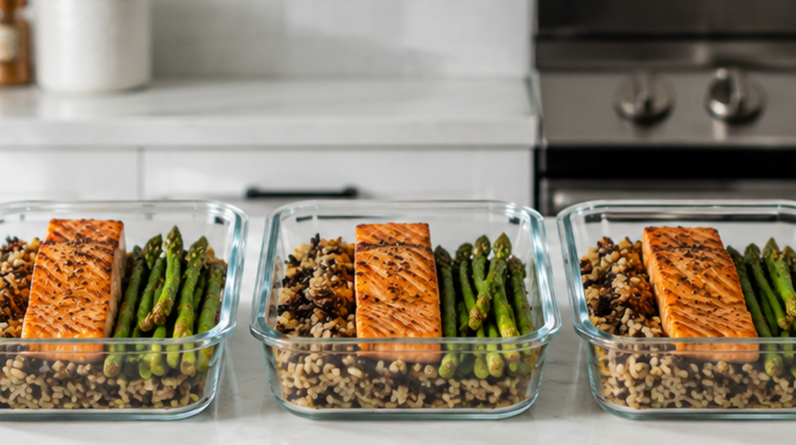
Running for Fat Loss: How to Align Your Mileage with Your Diet Strategy
Running is widely regarded as one of the most effective cardiovascular activities for burning calories and improving heart health. However, many runners who turn to the sport specifically for fat loss quickly run into a common frustration: despite logging dozens of miles every week, the scale refuses to budge.
This paradox usually stems from a fundamental misunderstanding of how endurance exercise interacts with appetite, energy expenditure, and daily caloric intake. Running creates a significant energy demand, but without a structured nutrition plan, your body naturally prompts you to compensate by overeating or moving less throughout the rest of the day.
To transform running into an effective tool for body composition changes, you must sync your mileage with an intelligent, diet-first approach.

The Energy Balance Equation: Why Running Alone Isn’t Enough
At its core, body fat reduction requires a sustained energy deficit—expending more calories than you consume. While running high-volume miles burns a substantial number of calories, exercise accounts for only a fraction of your Total Daily Energy Expenditure (TDEE).
Total Daily Energy Expenditure Breakdown:
- Basal Metabolic Rate (BMR): ~60-70% of daily burn
- Thermic Effect of Food (TEF): ~10% of daily burn
- Non-Exercise Activity Thermogenesis (NEAT): ~15% of daily burn
- Exercise Activity (Running): ~5-10% of daily burn
The “Rungry” Trap
High-impact cardio like running triggers sharp spikes in appetite hormones, particularly ghrelin. After a challenging 5-mile run, it is extremely easy to consume 600 to 800 calories in a single snack, completely erasing the caloric deficit created by the workout.
To avoid this trap, runners must treat nutrition not as a reward for completed miles, but as precise fuel to support performance and recovery while maintaining a light, controlled calorie deficit.
Fueling Strategy: What to Eat Before, During, and After Runs
How you structure your meals around your runs dictates whether your body burns stored fat or breaks down valuable muscle tissue for energy.
1. Pre-Run Fueling: Matching Intensity to Nutrition
- Low-Intensity Easy Runs (Zone 2): If your run is under 45 minutes at a conversational pace, running in a fasted state or having a light meal high in protein and low in fast carbohydrates can encourage your body to rely primarily on fatty acid oxidation.
- High-Intensity Interval or Hill Runs: High-effort workouts require glycogen. Consume a small, easily digestible carbohydrate source (such as a banana or a slice of toast with almond butter) 30 to 60 minutes before training to preserve performance.
2. Post-Run Recovery Meals
The post-run window is crucial for signaling muscle repair and stabilizing hunger signals for the rest of the day. Every post-run recovery meal should focus on two core components:
- High-Quality Protein (25g – 40g): Essential for repairing micro-tears in skeletal muscle fibers and signaling fullness to your brain.
- Complex Carbohydrates: Replenishes depleted muscle glycogen without causing dramatic blood sugar spikes.
Summary Fueling Table:
- Easy Aerobic Run (30-45 Min): Pre-run = Hydration/Low-Carb | Post-run = 30g Protein + Green Veggies | Energy = Stored Fatty Acids
- Tempo / Interval Session: Pre-run = 20g Fast Carbs | Post-run = 30g Protein + Sweet Potato/Quinoa | Energy = Muscle Glycogen
- Long Endurance Run (60+ Min): Pre-run = Complex Carbs + Balanced Fats | Post-run = 35g Protein + Full Meal | Energy = Glycogen + Fat Mix
Preserving Muscle Mass While Running in a Deficit
A major risk of using high cardio volume for fat loss is the potential loss of lean muscle tissue. When your body experiences an aggressive calorie deficit paired with high aerobic endurance demands, it can break down muscle proteins via gluconeogenesis.
To protect muscle mass and maintain your metabolic rate while running:
- Keep Your Calorie Deficit Modest: Aim for a conservative daily deficit of 300 to 500 calories below your maintenance level. Aggressive deficits lead to extreme fatigue, poor run recovery, and muscle loss.
- Prioritize Daily Protein Intake: Aim for 0.7 to 1.0 grams of protein per pound of body weight daily.
- Include 2 Strength Sessions Weekly: Resistance training signals your physiology to retain muscle tissue, ensuring that the weight you lose comes almost entirely from body fat.
Actionable Diet Rules for Running Success
- Front-Load Your Hydration: Dehydration is frequently mistaken for hunger. Drink 16–20 oz of water immediately upon waking and continue hydrating throughout the day.
- Avoid Drinking Your Calories: Skip high-calorie smoothie additions, sugary sports drinks, or heavy coffee beverages unless you are engaging in long-distance endurance training lasting over 90 minutes.
- Focus on Nutrient Density: Center your diet on whole foods like lean meats, fish, eggs, vegetables, berries, and whole grains to keep volume high and calorie density manageable.