
How Much Does Weight Actually Matter In Running?
Running is a popular activity that attracts people of all shapes and sizes. Yet, one question often looms over many runners: how much does weight actually matter in running? This article will explore the impact of weight on running performance, health, and overall enjoyment of the sport.
The Role of Weight in Running Performance
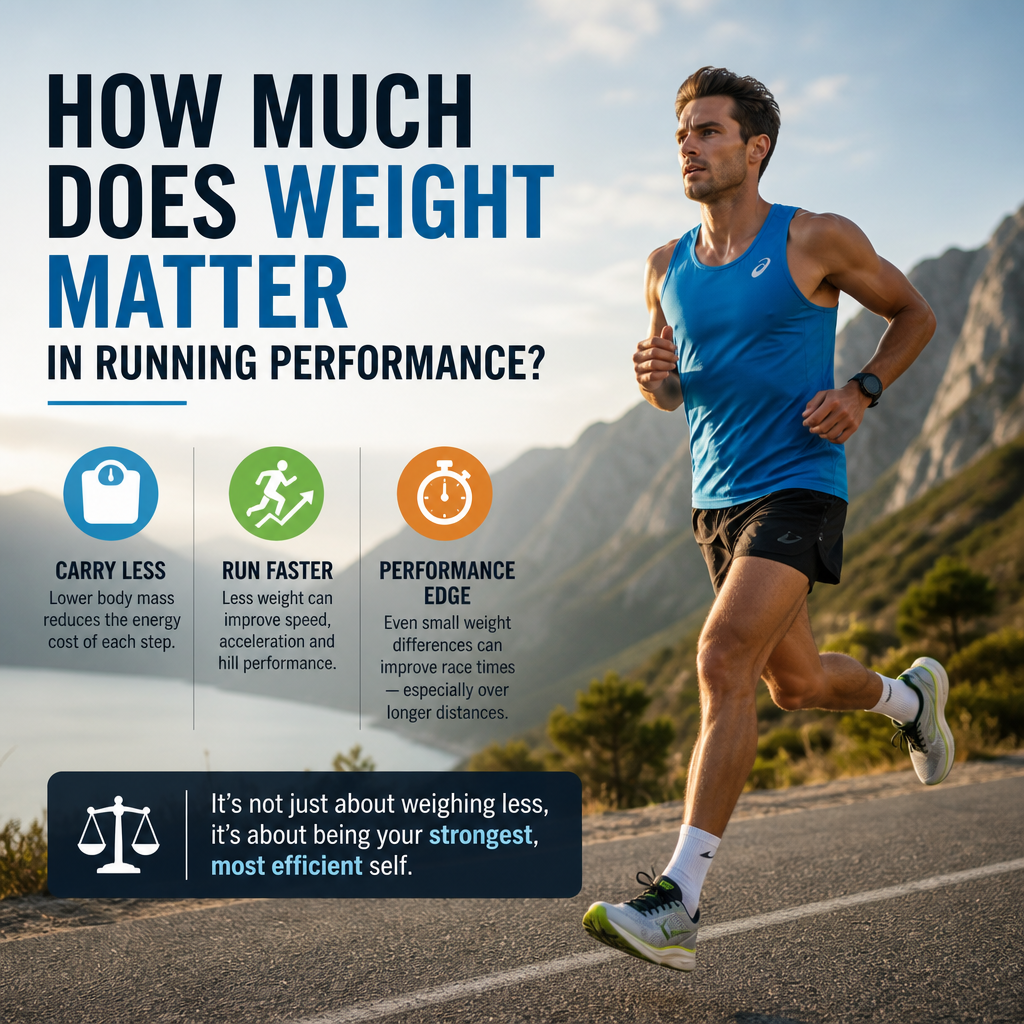
Biomechanics of Running
Weight influences various aspects of biomechanics during running. Heavier runners may expend more energy due to increased gravitational force, which can affect speed and endurance. For example:
- Energy Expenditure: Heavier individuals generally burn more calories per mile than lighter runners. However, this doesn’t always translate into better performance.
- Pace and Endurance: Runners who struggle with excess weight might find it harder to maintain a consistent pace over longer distances.
Weight Classifications
In competitive running, weight categories are less common, but many elite athletes often have a lower body fat percentage. They tend to emphasize a balance between strength and weight. While elite runners might have a certain body composition, it’s crucial to remember that:
- Athleticism Over Aesthetics: Performance should be the focus rather than striving for an ideal weight or body type.
Health Considerations
Ideal Body Weight vs. Performance Weight
Finding an ideal body weight differs from identifying an optimal performance weight. An ideal body weight helps support overall health and reduces the risk of injury. Here’s how running and weight interact with health:
- Reduced Injury Risk: Maintaining a healthy weight can decrease the likelihood of injuries such as shin splints, knee pain, and stress fractures.
- Better Recovery: Lighter runners may experience faster recovery times due to less strain on the body, but it’s essential to be cautious of losing too much weight.
Psychological Factors
Weight can affect a runner’s mental health, self-esteem, and motivation. Many runners may obsess over their weight, which can lead to unhealthy behavior. It’s crucial to maintain a healthy relationship with food and exercise, focusing on the following:
- Body Positivity: Embracing your body can enhance your enjoyment of running, making every stride more fulfilling.
- Set Realistic Goals: Rather than fixating on weight loss, set performance-based goals. This can improve motivation and reduce psychological stress.
Weight Management Strategies for Runners
Diet and Nutrition
Proper nutrition plays a significant role in weight management while running. Here are some strategies to consider:
- Balanced Diet: Ensure a mix of carbohydrates, proteins, and healthy fats to fuel your runs and aid recovery.
- Hydration: Staying hydrated is essential, as even mild dehydration can impact performance.
Training Programs
To support weight management through running, develop a training regimen that balances intensity and volume. Consider the following components:
- Interval Training: Short bursts of intense running can boost metabolism and aid in fat loss.
- Strength Training: Building muscle through strength exercises can boost your metabolic rate and support better running performance.
Conclusion
While weight does matter in running, it is not the only factor dictating your performance or enjoyment of the sport. Runners of all shapes and sizes can be successful and thrive in their running journeys. Focus on a balanced approach to health and fitness, emphasizing nutrition and a positive mindset over numbers on a scale. At the end of the day, running is about the joy of movement, the thrill of achieving personal goals, and the community that supports you along the way.